RSS

Monthly Archives: November 2013

Infloor/Underfloor Heating System Installed in Bathroom, Entrance or Under Staircase

Infloor/underfloor heating system installed in bathroom, entrance area or under outside staircase is the best choice concerning the specifics ofClick to enlarge these areas.
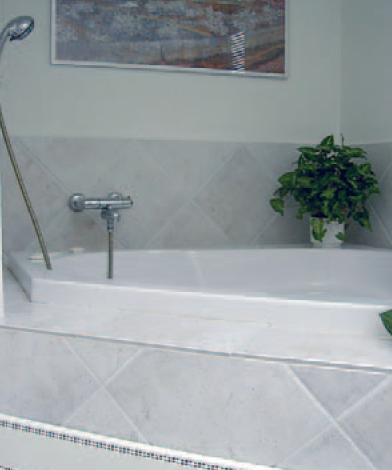
Infloor radiant heating is always recomended to be installed in the bathroom and this recomendation is backed by logical reasonining: standing on the floor barefooted, wearing lighter clothes and often having water spils on the floor.  Electric or hydronic infloor radiant heating system installed in the bathroom – is a good choice at all points of view.

However, Wanpan hydronic baseboard heating, can be installed in the bathroom at the choice of the owner. Electric Elpan heating system is strictly not recomended to be installed in the bathroom, because of the safety regulations.  

At the entrance of the house and under outside stairase – these are the areas of the house, as well as the bathroom, where you should be suggested to install infloor/underfloor radiant heating system. It helps to have the mentioned areas clear out of snow and water much faster. The only concern has to be addressed – to make sure, that updated and reliable insullation is properly installed. If the job is done more or less ceareless – the high heat losses will appear and heating these areas of the property will become very costly.

Infloor/underfloor radiant heating systems are the most recomended heating systems to be installed in the bathroom, entrance of the house and under outside staircase.

For more information go to: www.wanpan-usa.com.
 
Leave a comment

Posted by on November 30, 2013 in Application, Heating Systems, The Concept


Tags: , , , , , , , , , , , , , , , , , , , , , , , , , , , ,

Skirting Board Heating Installed in High Ceiling Building

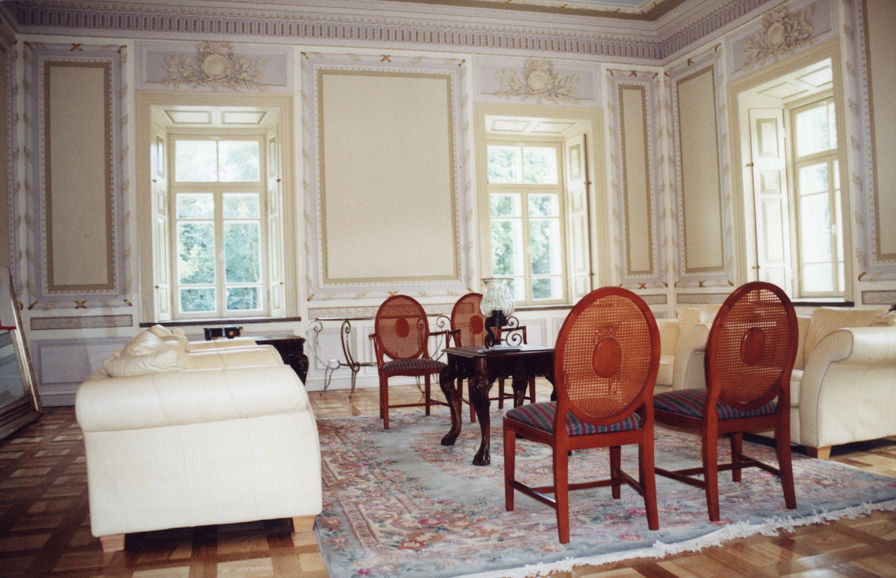
Skirting  board heating system is not a very common type of heating to be installed as the main and the only one in high ceiling building. Residential homes, usually, doClick to enlarge not have high ceiling in Europe or other parts of the world, where everybody feels more aware of high heating energy prices. The constructions, mentioned above, are more likely to be popular in United States.

Heating losses in premises with high ceiling are much higher then in buildings with regular ones of 3m (about 9 ft.). The building insullation, including: walls, windows, doors, roof and floor, has to be the most reliable and updated to cover high heat losses. No matter, how good the insullation is, to cover heat losses in premises with the ceilings of 6-8m (18-24ft.) will apear much more costly.

Heated air from the floor level of the room rises up until it reaches the ceiling. Obviously, bigger space needs to be heated and calculated heating losses are much higher. It is very common, that ceiling fans are installed with the purpose to stop heated air from rising up to the ceiling and to keep higher temperature at the lower level of the room. Usually, the box of the ceiling fan has a dscription as – Energy Saving Apliance. Often, more than one heating system is installed in these kind of constructions.

In many cases, infloor radiant heating system can not handle to cover all the heating losses by itself also. Flooring materials have standarts of limited temperature to be exposed to and the secondary heating system needs to be installed. In this case, sophisticated design and simplicity of Elpan/Wanpan heating system allows it to be used as a secondary heating system in high ceiling buildings to cover additional heating losses.

When Elpan/Wanpan heating system is installed in high ceiling building as a primary heating system, it is more challenging to apply the principals of thermal encirclement and have the same results which this skirting board heating system was created to achieve. Elpan/Wanpan heating systems were engineered and tested for premises which have regular ceiling of 3m ( aprx. 9 ft.). However, Elpan/Wanpan heating systems could be installed as a primary or a secondary one if the combined power of the heating systems have enough power to cover heating losses in high ceiling building.

For more information go to: www.wanpan-usa.com.
 
1 Comment

Posted by on November 20, 2013 in Application, Efficiency, The Concept


Tags: , , , , , , , , , , , , , , , , , , , , , , , , , , , ,

Elpan/Wanpan Baseboard Heating – No Heating Losses Through the Walls

Elpan/Wanpan baseboard heating – no heating losses through the walls. One of the main goals of producers, installers and users –  to keep heating system operating the Click to enlargemost efficiently regardless of it’s construction. Elpan/Wanpan skirting board heating systems are engineered to eliminate any heating losses through the wall.

The heat source, in other words, any type of heating equipment ( traditional radiator, infloor heating system, regular baseboard heater ) is radiating heat away from the heated surface into all directions evenly. When heat is radiating into undesirable direction from the surface of the heat source, the most reliable and appropriate insullation must be installed.

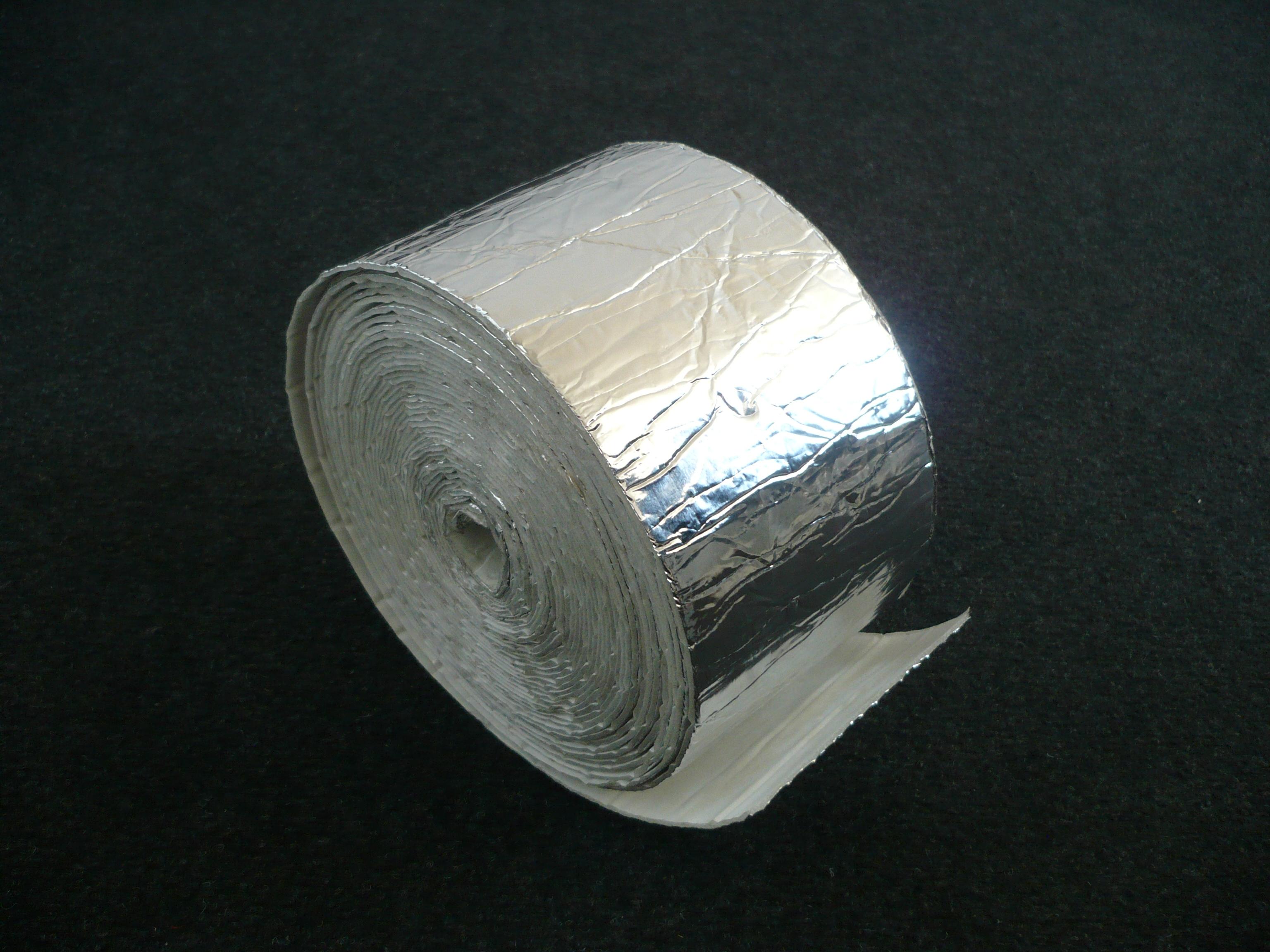
To avoid heat losses through the wall,  a sticky reflecting foil tape has to be placed at the location of Elpan/Wanpan skirting board heating system around the perimeter of the room. Having reflecting foil, installed behind heating panels, heating losses through the wall are eliminated and all radiant heat is directed toward the center of the room. 

The installation of the reflecting foil tape is easy and simple. It takes only few moments to attach it onto the surface of the wall. Reflecting foil plays a huge role while presenting Elpan/Wanpan heating system as perfectly engineered and one of the most energy efficient skirting board heating systems, which has no heating losses through the wall.

For more information go to: www.wanpan-usa.com.


Tags: , , , , , , , , , , , , , , , , , , , , , , , , , , , , ,